
Because the need for care never stops, neither do we !

Categories
Post-Cesarean Care

Postnatal Recovery in Dubai: Home Care and Classes for New Moms

Post Cesarean Care at Home in Dubai: Recovery Guide

Giving birth is only the beginning of the story. What follows – weeks of physical healing, hormonal shifts, disrupted sleep, and learning to care for a newborn – deserves just as much attention and support, especially for mothers recovering from a cesarean section. Post cesarean care at home exists precisely for this stage, bringing professional, hands-on support directly into a new mother’s recovery, without the added strain of frequent clinic visits.

This guide covers what postnatal recovery actually involves, how post-cesarean care specifically differs, and what kind of support is available for new moms in Dubai.

Why Postnatal Recovery Deserves More Attention

There’s often so much focus placed on pregnancy and birth that the recovery period afterward gets treated almost as an afterthought. In reality, the weeks following delivery are physically demanding and emotionally significant – the body is healing from a major physiological event, hormone levels are shifting dramatically, and sleep is fragmented at best, all while learning to care for a completely dependent newborn.

Postnatal care in Dubai has grown specifically because more families are recognizing that proper recovery support isn’t optional – it’s an essential part of a healthy transition into motherhood.

Understanding Cesarean Recovery Specifically

A cesarean section is major abdominal surgery, and recovery requires a different level of care compared to a vaginal delivery. Common aspects of recovery include:

  • Incision care: Keeping the surgical site clean and monitoring for signs of infection.
  • Pain management: Balancing effective pain relief with breastfeeding considerations, if applicable.
  • Limited mobility: Avoiding heavy lifting, certain movements, and strenuous activity for a period of weeks as the incision heals.
  • Monitoring for complications: Watching for signs like excessive bleeding, fever, or unusual swelling that require prompt medical attention.
  • Gradual return to normal activity: Slowly reintroducing movement and daily tasks as healing progresses, rather than rushing back to a full routine.

Because a cesarean involves surgical recovery on top of typical postpartum changes, post cesarean care at home often includes more hands-on nursing support than a vaginal delivery recovery might require.

What Does Post Cesarean Home Care Typically Include?

  • Wound Monitoring and Care: A trained nurse can assess the incision site regularly, ensuring it’s healing properly and catching any early signs of infection before they become more serious.
  • Pain and Medication Management: Proper medication timing and monitoring for side effects can be handled by a professional, easing the burden of managing this alongside newborn care.
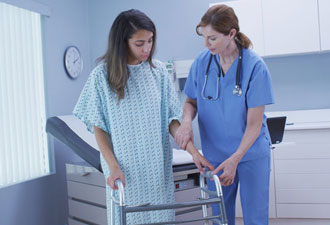
  • Mobility Support: Guidance on safe movement – getting in and out of bed, gentle walking, and avoiding activities that could strain the healing incision – helps prevent complications while still encouraging appropriate activity.
  • Newborn Care Support: Many post-cesarean care packages include support with the baby as well, recognizing that a mother recovering from surgery often needs extra help managing feeding, diapering, and settling in the early weeks.
  • Emotional Support: The postpartum period carries real emotional weight, and having a compassionate, experienced professional present can ease anxiety and provide reassurance during a vulnerable time.
  • Household and Practical Support: Some services extend to light practical support around the home, helping reduce the physical demands placed on a recovering mother during the most intensive early weeks.

Postnatal Care for Vaginal Deliveries Too

While cesarean recovery has specific surgical considerations, general postnatal care in Dubai supports all new mothers, regardless of delivery type, with needs such as:

  • Physical recovery monitoring, including for tearing or episiotomy healing
  • Breastfeeding support and troubleshooting
  • Guidance on postpartum physical changes and what’s normal versus concerning
  • Emotional support during the adjustment period
  • General newborn care assistance during the exhausting early weeks

Finding the Right Support: What to Search For

When looking for post natal care near me in Dubai, consider what specific type of support you need:

  • In-home nursing visits for wound care, monitoring, or general recovery support
  • Overnight support for feeding and newborn care so mothers can rest
  • Lactation or feeding-specific support, if breastfeeding is proving challenging
  • Postnatal classes, which can offer structured education on recovery, newborn care, and what to expect during this stage
  • Ongoing check-ins, particularly useful for identifying complications early

Postnatal Classes: Structured Support Beyond Home Visits

In addition to individualized home care, many new mothers benefit from structured postnatal classes, which typically cover:

  • Physical recovery expectations and timelines
  • Safe exercise reintroduction after birth, including cesarean-specific guidance
  • Breastfeeding troubleshooting and support
  • Newborn care basics and building confidence with daily routines
  • Emotional wellbeing during the postpartum period, including normalizing common experiences like anxiety or overwhelm

Classes can complement one-on-one home care support, offering both structured education and hands-on, personalized attention.

Warning Signs That Need Prompt Medical Attention

While postnatal recovery support helps manage the everyday demands of healing, certain symptoms require immediate medical attention rather than routine home care:

  • Heavy or sudden increase in vaginal bleeding
  • Signs of infection at a cesarean incision (spreading redness, discharge, fever)
  • Severe headache, vision changes, or swelling that could indicate a postpartum complication
  • Chest pain or difficulty breathing
  • Thoughts of harming yourself or your baby

A good postnatal care provider will always advise seeking emergency care promptly if these signs appear, rather than relying on routine home visits alone.

Frequently Asked Questions

How long does cesarean recovery typically take? 

Full recovery generally takes several weeks, though timelines vary by individual. Most mothers see significant improvement within the first two to six weeks, with continued healing over the following months.

Is post cesarean home care necessary for everyone? 

Not necessarily required, but many mothers find it significantly eases the physical and emotional demands of recovering from surgery while also caring for a newborn.

What’s the difference between postnatal care and postnatal classes? 

Postnatal care typically involves individualized, in-home support tailored to a specific mother’s recovery, while postnatal classes offer structured, often group-based education on recovery and newborn care topics.

When should I start looking for postnatal support? Many families arrange support in advance during pregnancy, so care is ready to begin immediately after birth, rather than searching during an already demanding time.

Can postnatal care help with breastfeeding challenges after a cesarean? 

Yes. Many postnatal care providers include lactation support as part of their services, recognizing that breastfeeding positioning can be particularly challenging while recovering from abdominal surgery.

Recover with Confidence – Nightingale Health Services

Recovery after birth, especially following a cesarean, deserves real support, not just good intentions. Nightingale Health Services offers comprehensive post cesarean care at home and broader postnatal care in Dubai, helping new mothers heal safely while adjusting to life with their newborn.

Ready to arrange the support you deserve? Contact us to learn more and get started today.

Categories
Baby Care Child care Maternity Care Night Nursing Post-Cesarean Care Post-natal

How to reduce the risk of SIDS (Sudden Infant Death Syndrome)

One of the biggest worries for many new parents is sudden infant death syndrome (SIDS), which refers to the sudden unexplained death of an otherwise healthy baby under the age of one, usually during their sleep. Premature babies, or those with a low birth weight, are at greater risk, and it tends to be slightly more common in baby boys. Thankfully, SIDS is rare, and the prevalence has fallen significantly over the past few decades as advice about reducing the risks is more widely shared. While healthcare professionals don’t know exactly what causes SIDS, a lot of research has been done into the things parents and caregivers can do to create a safer sleeping environment for their little one.

Do’s for reducing SIDS

WHAT ARE SIDS CAUSES & RISK FACTORS

Based on advice from the NHS UK, recommendations are as follows:

  • always place your baby on their back to sleep
  • place your baby in the “feet to foot” position – with their feet touching the end of the cot, Moses basket, or pram
  • keep your baby’s head uncovered – their blanket should be tucked in no higher than their shoulders
  • let your baby sleep in a cot or Moses basket in the same room as you for the first six months
  • use a mattress that’s firm, flat, waterproof, and in good condition
  • breastfeed your baby, if you can
  • recent studies have found that using a pacifier while the baby is sleeping reduces the risk of SIDS

Dont’s for SIDS

  • smoke during pregnancy or let anyone smoke in the same room as your baby – both before and after birth
  • sleep on a bed, sofa, or armchair with your baby
  • share a bed with your baby if you or your partner smoke, or if you’ve been drinking alcohol, taking any sedative pain relief-medication or sleeping pills
  • let your baby get too hot or too cold – a room temperature of 16C to 20C, with light bedding or a lightweight baby sleeping bag, will provide a comfortable sleeping environment for your baby. NB. here in the UAE, we’re used to much warmer temperatures, and the recommendation is 22 to 24 degrees Celsius. Signs your baby may be getting too hot include sweating, or their chest feels hot.

You should also visit your pediatrician and/or midwife for regular check-ups to assess their health and development. At Nightingale, we provide a wide range of postnatal support at home or in our clinic, provided by fully-trained nurses.

Contact us to find out more.

Categories
Post-Cesarean Care

Why Should You Consider Professional Care After Giving Birth to a Cesarean Baby?

post cesarean care at home

With a growing number of cesarean births a new branch of caregivers has emerged. This new branch of caregivers is none but midwives, nurses who have specialized training to take care of the mother who has undergone C section operation. These midwives are especially employed when the new mother is discharged from a medical institution and yet need support at home to get back to their normal lives and also recover from the post-operative stress.

What’s the need for special nurses after C section?

Where family members fail is routine monitoring of the health condition of the mother. A midwife in comparison maintains a chart of her health condition through the day, recording periodically the body temperature, blood pressure, checking the bleeding frequency of the new mother. Wound care, heparin injections under any kind of special circumstances or any developing health complication of the mother, the nurse would promptly report the same to the doctors at the centre from where she has been employed. She should be also an expert in monitoring the medicines to be taken by the new mother during the postnatal phase. She can monitor the health condition of the mother and can advocate SOS medicines in case the patient developing any kind of complications. For quicker action, she can even inject medicines if required.

Your maternity nurse will provide baby care to the newborn when you are hardly in a position to take care of your baby due to your health condition after a c section operation. The maternity nurse assist you with feeding bathing of the baby, maintaining the cleanliness of the household so that the mother or the newborn doesn’t catch any infection. The maternity nurse will teach the mother how to breastfeed her baby. New mothers face a lot of difficulties with the techniques of breastfeeding so the midwife will be of great support. Newborn care would involve creating proper sleep patterns for the baby and the mother so that the mother doesn’t feel deprived of sleep. Sleep is essential in the mother’s recovery and restoration to normal life. The after delivery care nurse will also monitor the medication for the baby if suffering from mild fever and other common ailments.

After delivery care for the mother also takes into account the counselling that is being provided by the nurse to mother. Maternity, especially for the first-time mother, is a new phase in life that one needs to get used to and at the same. The nurse often counsels the mother to slowly regain her composure about daily life, answers queries related to the change that has occurred in a mother’s life and also lend a patient ear to the mother to hear her experience of childbirth that she might likely to share with someone who could relate to it better.

In a fast-paced city like Dubai where the population comprises expats and others coming and settling from all over the world and smaller family sizes, it is advisable that you do fix a maternity nurse to help you cope with childbirth in the postnatal phase. More so when your spouse is also a working member. To book a maternity nurse don’t delay it to the last leg of your pregnancy, plan, interview and fix an appointment with a nurse right before you get into the delicate phase of childbirth. For getting a trustworthy nurse who is well trained and certified it is better if you visit a home nursing centre and request for a maternity specialist. In case you are going for a cesarean baby, which your family will get to know in the last minute, the centre will come to your help in that matter and provide a nurse who is well equipped to handle the scenario. With a specialist post c section nurse or midwife, you can easily and in a more calm and relaxed manner get across the most challenging part of your childbirth.


Categories
Post-Cesarean Care

All You Need to Know About Cesarean Post-Operative Care Before Going for Childbirth

post cesarean care at home

Cesarean operations are common today and recommended as the safest option to avoid any health concerns related to you and your child during childbirth. Here’s all you need to know about Cesarean post-operative care, the time you are supposed to spend in the hospital including precautions to take, how to manage pain and including when can you go home.

POSTNATAL CARE AFTER CESAREAN DELIVERY

Care after C-section delivery begins with mother and baby being moved from the operation table to a smaller ward for observing their condition often called as the recovery room. After a few hours, you will be moved to the postnatal ward with your baby. It is here where regular checks will be undertaken to see if the anaesthesia is wearing off along with other regular checks for blood pressure, breathing, wound relief for the first few hours by a nurse. Your vaginal bleeding will also be monitored to ensure that your maternal pads are replaced in a timely manner. A catheter to drain urine from your bladder is likely to be removed after 12 hours of your operation. You will be made to wear compression stockings to reduce any risk of blood clots. In the postnatal ward, you will be on a drip until you feel ready for taking food and drinks.

AFTER CESAREAN OPERATION CARE

THINGS TO KEEP IN MIND WHILE RECOVERING

You are likely to feel wobbly and unsteady while you make an attempt to stand up and go for a walk to the bathroom especially with the catheter on. Let your nurse help you the first time around with such activities. Also, your abdomen area may feel heavy, consult your nurse so that she can give you some medicine beforehand.

You will be advised to drink plenty of fluids after removal of the catheter and your nurse may measure the amount of urine you are passing to check if there no problems with your urinary bladder. If you have any problem while passing urine you should tell your midwife about it.

The pain post cesarean operation will continue to persist and in certain cases may be for a week. For pain alleviation, you will be having painkillers. Make sure the dose of the painkiller is strictly monitored by the nurse as certain painkillers may be harmful to your baby as you would be breastfeeding.

It’s important to have some mobility after your C-section operation to reduce blood clots. At the same time, you should drink plenty of fluids and will be given a daily injection for blood thinning by your nurse.

When you get out of bed to have a shower you may feel a strong sensation of pain in your abdomen. Keeping your hand pressed against it will give you some relief.

For dressing of the wound, it should always be done by a nurse or under your nurse’s care and supervision. The first time the wound would be dressed will be after 24 hours of cesarean delivery. Don’t worry if your wound gets wet as it is waterproof. Your wound would be closed either by clips or stitches and it should only be removed in case of cesarean care only by a trained midwife after a week or so by visiting your home.

Vaginal bleeding post-cesarean delivery is normal and you should not panic. It would continue for two to six weeks after childbirth. The reason behind it is that the separation of the placenta from the womb.

Drinking prune juice, peppermint tea can help you improve your bowel movement post cesarean delivery.

Cesarean post-operative care ensures the best ways for you to bond with your baby with a midwife teaching you the right way to breastfeed and ensure that you and your baby has maximum skin contact.

If you and your baby are well, you will be released from the hospital between two to four days. In case you or your baby have any added complications then your stay could extend for a while. A mother is released after C-section delivery only when her mind is peaceful and at rest after an operation.

As an extension of postoperative care from the premises of the hospital to your home, health visitors, or midwife will visit your home at regular intervals to help you with medicines, health monitoring and even some time to put you in touch with other parents and local support groups.

We would recommend you to have trust on your midwife and follow her instructions as dutifully as possible and do not be afraid of a C-section surgery as with high standard cesarean post-operative care, the entire procedure will pass on smoothly and would be over in no time.

Categories
Post-Cesarean Care

How to Care For Yourself After Childbirth in Dubai

After Childbirth
After Childbirth

A newborn baby comes as a bundle of joy in any mother’s life—a new set of emotions, a new world of experiences and a bond that is stronger than anything else in this world. However, just like any other enriching process of life, childbirth also brings with it a new set of challenges. The biggest challenge is to take care of a new mother and new baby’s health in the postpartum period, which is usually six to eight weeks after delivery. In a city like Dubai, while most expat families hire professional nannies for post-pregnancy care, there are several families who take linger break from their professional lives and manage without external help. Such families often rely upon their extended family members for help and support. Whether or not one hires a childcare and mother care nanny, it is important for families to be aware of a few basic parameters.

Let’s now look at some of the key areas that require attention during the period after childbirth immediately. The care of care and attention you need also depends upon the delivery you’ve had. Whether you are released in a day or after a week from the hospital, there are a few factors you need to monitor at home as well and communicate with your doctor regularly regarding your progress as well as in case of any complication or unexplained pain.

Normal delivery:

  • After a normal delivery (non-operative), you may get back to home a day after your delivery provided there’s no other complication.
  • The hospital will do a routine check-up of your vital parameters—blood pressure, vaginal bleeding and heart rate before they let you go back home.
  • Your doctor needs to monitor your pain and discomfort levels in case of a vaginal tear or episiotomy.
  • At this stage, your abdomen will be monitored regularly for firmness to monitor the shrinking of your uterus.
  • Vaginal bleeding is a normal occurrence. However, your doctor needs to be informed if you experience discharge of large blood clots, high fever or a foul odour.
  • The perineum (area between the vagina and the rectum) may be swollen and painful due to stretching during the vaginal birth. Applying ice packs helps relieve the discomfort.

Cesarean Delivery:

  • After a Cesarean section, you may experience pain at the surgical site and have to stay up to five or seven days in the hospital.
  • The medications administered for a C-section often lead to contraindications like nausea, itchiness and body ache.
  • Your blood pressure, bleeding and heart rate will be monitored regularly. The size and firmness of your uterus are other areas that will be checked.
  • Your doctor will prescribe medications for post-pregnancy pain management.
  • Your doctor will also give you a handout to help you do basic and easy moving around exercises several times a day to promote recovery and to help you come back to normalcy.

Postpartum Home Care:

The biggest challenge begins after your resume your life at home outside the medical paraphernalia of the hospital. Monitoring your vital signs, preparing a healthy routine to care of your newborn baby after birth and to take ample rest yourself is a challenge. Whether you hire a childcare nanny or rely on your family members, you will need to keep in mind a number of points.

In Nightingale Dubai, we hold regular counselling sessions for new mothers and new parents and teach them basic skills to create a routine for postnatal baby care and postpartum care for mothers. We also share a list of dos and don’ts for mothers and babies for post-childbirth care at home.

Warm Sitz baths to soothe the vulva and perineal areas to relieve discomfort are recommended in case of a normal delivery.

Most mothers experience exhaustion and sleepiness as their bodies are still recovering from major changes. Taking adequate rest, eating nutritious foods and maintaining optimal intake of fluids are important to promote healing and adequate breast milk production.

Vaginal bleeding may continue for up to eight weeks. Inform your doctor if you experience the passage of large blood clots, a foul odour or a high fever during this time.

Urine leakages are common for a few months while coughing, sneezing or laughing, in short, any involuntary action. This is normal and will resolve. However, new mothers need to do their pelvic floor exercises.

Bowel movements can be painful after childbirth and so it is important to include a high fibre diet or stool softeners to allow easier passage. Take medical consultation for high levels of pain.

Often, new mothers develop certain skin changes and hair loss due to hormonal changes. If the problem persists beyond a few months, one needs to take professional help.

It is important to continue to breastfeed your baby and you must seek professional help if you experience soreness and discomfort while doing so.

Experiencing post-pregnancy depression or negativity, commonly termed as “postpartum blues/depression” can lead to dullness, lethargy, weight issues, sleeping problems and hinder daily routine of taking care of your new baby. Seek help if you are unable to care for yourself or the baby, as treatment can make you feel better.

You should exercise regularly, as instructed by your doctor, to help to heal, maintain positivity of mind and to get back in shape.

In Nightingale Dubai, we provide part-time nannies to help you tackle post-pregnancy challenges and lead a healthy life and care for your newborn in an optimal manner. And our pre-booked postpartum sessions educate parents in the most holistic manner to lead a healthy life post childbirth.

Categories
Maternity Care Post-Cesarean Care

Maternity Nurses and Midwives: What to Expect

Maternity Nurses and Midwives

There are so many things to consider when caring for a newborn baby. The professional assistance of a maternity nurse will help you through the new experience.

The first months of becoming a new parent are all at once exciting and daunting. There are few things in life to compare to the pure joy of bringing your child home for the first. There are also so many things to consider when caring for a newborn baby. Throw in a perpetual lack of sleep or a difficult birthing experience and you might want to consider enlisting the professional assistance of a maternity nurse or midwife.

What is a Maternity Nurse?

A professional, qualified, registered nurse or midwife specializes in care for newborn babies and postnatal mothers. A maternity nurse provides nurturing, professional support, care and education for new parents on how to care for their newborn baby. They also provide parents the opportunity to rest and recover from the birth of their child.

A maternity nurse or maternity midwife is a knowledgeable, experienced, DHA registered healthcare professional who specializes in providing fundamental advice, support, care and relief to parents and newborn babies. They help ensure the first few weeks with a new baby are a smooth, comfortable, relaxed and highly delightful experience for everyone involved. Their assistance provides parents valuable time to rest and recover from the birth of their bundle of joy. They empower new parents to feel comfortable and confident in their ability to care for their new baby once the maternity nurse leaves.

Duties of a Maternity Nurse

Maternity nurses and midwives perform a wide range of duties aimed at providing relief and comfort for parents and their new baby. Based on your specific needs and requirements, they can provide care and observation 24-hours a day.

In the case of premature birth, you can request a nurse that has been trained in the Neonatal Intensive Care Unit (NICU). These specialized nurses are experts in providing the specific care required for nurturing a premature baby.

Maternity nurse duties:

  • DHA registered maternity nurses and midwives provide fundamental advice and guidance about feeding, bathing, clothing, and establishing routines and sleep habits for newborn babies. They also physically perform all of these duties with you, addressing all of your questions and concerns.
  • For those mothers breastfeeding, maternity nurses will observe, encourage and advise on breastfeeding, as well as provide breast care in the event of a  mild complication (such as a clogged duct).
  • For those mothers bottle-feeding, maternity nurses help ensure all feeding equipment is clean, sterilized and ready for use day and night.
  • Maternity nurses check on the baby’s well-being and growth and assist with mother’s post-natal recovery (to include post-circumcision care).
  • Maternity nurses will care for your baby, allowing you time to rest and recover, to include feeding, bathing, changing nappies and soothing the infant when they cry.
  • For those families with big brothers and sisters, maternity nurses also help integrate the new baby into the family, providing a smooth transition into the new family environment.
  • Night time maternity nurses and midwives, help establish essential sleep routines for the baby. They wake during the evening to feed and change the baby, allowing the parents to experience a good night’s sleep.

Types of In Home Maternity Care

Each family has their own unique needs, requirements, and schedules. Depending on your circumstances, a maternity nurse can come during the day or night. In some cases the maternity nurse can live with your family during the duration of their contract, providing 24-hour care and assistance after the baby is born.

Daily Maternity Nurses: can work up to 12 hours a day; up to six days a week. Daily maternity nurses are an ideal option for families unable to provide live-in accommodations for their maternity nurse.

Night-only Maternity Nurses: work during the night and early morning hours, up to 6 days a week. They provide essential relief and support for parents who are looking for extra sleep or for those situations where the baby is frequently waking during the night.

Live-in Maternity Nurses: reside in your home, in their own living quarters. They provide round the clock care and assistance for new parents and their baby.

Is a Maternity Nurse the Same as a Maternity Nanny?

No. While some of the duties performed by a maternity nanny are similar to that of a maternity nurse or midwife; a maternity nanny is not a registered medical professional. Maternity nurses and midwives are DHA registered and medically trained to care for postnatal mothers and their newborn babies. They are trained to administer medications, treat postpartum depression, provide advice on breastfeeding and much more. A maternity nanny is simply an in-home childcare provider without medical training.

Regardless of whether you require a maternity nurse a few hours a day, during the night or around the clock, Nightingale Home Nursing has a plan that will fit your needs. We take pride in knowing that our DHA registered nurses and midwives provide parents with the nurturing support and care they need to rest easy knowing their newborn will be cared for by a professional, experienced, licensed nurse or midwife in the comforts of their home. Contact the Registered Maternity Nurses and Midwives at Nightingale to learn more about how we can help you welcome your new baby!

img